



Skip to content ↓

Queen’s Inclosure Primary School

Menu

Useful tips from our Child and Family Support Worker

  • A Short Guide to Attachment for Parents

    Published 26/02/26

    Attachment is one of the most important foundations for a child’s emotional wellbeing and it plays a big role in how children cope with school.

    What Is Attachment?

    Attachment is the emotional bond between a child and their main caregivers. Psychologist John Bowlby described attachment as a child’s built-in survival system, explaining that children are wired to seek closeness to adults who help them feel safe. Researcher Mary Ainsworth later identified different attachment patterns based on how consistently a child’s needs are met.

    In simple terms, attachment is your child’s inner belief:

    “When I need help, someone will be there for me.”

    When children feel secure in this belief, they are much more able to explore, learn, and build relationships.

    Why Attachment Matters in School

    School asks children to:

    • Separate from caregivers
    • Trust other adults
    • Manage feelings independently
    • Cope with challenges and friendships

    Children who feel secure typically:

    • Settle after drop-off (even if there are some tears)
    • Ask for help when they need it
    • Bounce back from small setbacks
    • Build positive peer relationships

    Children who feel less secure might:

    • Struggle with separation
    • Become clingy or unusually quiet
    • Avoid tasks they fear getting wrong
    • Have big reactions to small problems

    These behaviours are not about being “naughty” or “attention-seeking.” Often, they are signs that a child is feeling unsure or unsafe and needs reassurance.

    What Helps Build Secure Attachment?

    Secure attachment does not require perfect parenting. It grows through consistent, everyday experiences such as:

    • Noticing and responding to your child’s feelings
    • Offering comfort when they are upset
    • Keeping routines predictable
    • Following through on what you say
    • Repairing things after conflict (“I’m sorry I shouted earlier.”)

    It’s about being reliably available for your child - not getting everything right.

    Supporting Your Child with School

    You can strengthen security around school by:

    • Keeping goodbyes calm, warm, and predictable
    • Acknowledging feelings (“It feels hard to say goodbye.”)
    • Showing confidence in their ability to cope
    • Making time for connection after school

    When children feel secure in their relationships, they are far more able to manage separation, face challenges, and enjoy learning.

    If worries about school become intense or long-lasting, it can be helpful to seek additional support early, so please speak to your class teacher or our Child and Family Support Worker if you feel you need additional support with this. With the right understanding and reassurance, most children can build the confidence they need to thrive.

    Read More
  • Parenting without the constant comparisons

    Published 29/01/26

    As a parent, it is almost impossible not to compare what may be going on in your own life with that of others around you. The comparisons unwillingly creep in at the school gates, birthday parties and especially on social media. One child may seem calmer than yours, another family might appear more organised, on top of their weekly meal plans, and suddenly you wonder if you are doing enough.

    Comparison is rarely about jealousy, it’s more about uncertainty and looking outwardly for reassurance - but instead of finding comfort, it often ends up in self-doubt.

    Every family will have different values, challenges, personalities and routines that shape how each household works. Remember these differences do not mean ‘better or worse’. Some families love routines, others thrive on flexibility. Some children need busy schedules, others need quiet space. What matters most is what works for your family right now.

    It’s important to remember that that children are always watching and listening (even when you think they are not!). When they hear comparisons, even subtle ones, they can start to believe they should measure themselves against other’s too. When they see you accept your own family’s rhythms and imperfections, they learn something far more important - their worth is not based on comparison.

    Social media can make comparison that much harder. What you are likely to see on social media are highlights of people’s life’s, not necessarily what is going on for those families every day. No one posts the tough mornings or the hard days.

    When comparison creeps in, it can help to pause and ask yourself questions such as: What is going well for us right now? What does my child need today? What matters most to us in our family? What are we proud of today? Focus on the positives, even if they feel small.

    There is no manual for parenting. If you ever feel like everyone else has it figured out, please remember - your family isn’t behind - you’re just on your own path. And that path is enough.

    Read More
  • Lowering Expectations at Christmas-Time

    Published 18/12/25

    Christmas can be magical, but it can also be overwhelming - especially for children. Busy days, disrupted routines, late nights, noise and sugar all take their toll.

    If your child is more tearful than thankful, more overwhelmed than overjoyed, please know this: it is very normal and a common response to a very full and exciting season.

    Children often show exhaustion through tears, irritability, clinginess, or sudden outbursts. They are not necessarily being ungrateful, their nervous systems are simply overloaded.

    As parents, there is a lot of pressure to create a “perfect” Christmas. But real Christmases can be unpredictable and may not always go to plan. They include big feelings, early bedtimes, changed plans and moments that do not match the picture-perfect Christmases we see online. Create a Christmas that works for you and your family. Take away the pressure and enjoy the small moments we might otherwise miss out on.

    Slow things down. It’s okay to leave early, skip events, lower demands, and prioritise rest. If your child thrives on structure and predictability, keeping timings as close to their usual routine may really help them regulate. Supporting your child’s needs matters more than meeting expectations - theirs or anyone else’s.

    This Christmas, embrace the imperfections, focus on connection and remember that the little moments matter most. Wishing you and your family a joyful and magical Christmas.

    Read More
  • Christmas Traditions

    Published 28/11/25
    Make December the most magical time of the year for you and your family with some Christmas Traditions… When we think back to our own childhood Christmas holidays, it is rarely the price of the gifts we remember… it is the traditions
    Read More
  • Struggling at bedtime?

    Published 24/10/25

    Read on to find some key information about sleep and tips to help improve it.

    Sleep is a vital part of life, just as essential to our bodies as eating, drinking, and breathing. It allows our brains and bodies to recover from the day’s activities. For children, getting enough sleep is crucial for their physical, mental, and emotional well-being.

    We appreciate that sometimes getting your child to sleep can be a challenge for some families, but there are ways you can change this. Here are some tips and recommendations on how to build a sleep routine for you and your child.

    Top tips:

    1. Stick to a Consistent Sleep Schedule

    • Aim to get your child your bed and wake them up at the same time every day - even on weekends. Having set times will support your child’s body clock.
    • Children 6 - 12 years old need 9–12 hours of sleep.

    2. Create a Calming Bedtime Routine

    • Start winding down 60 minutes before bed.
    • Use visual reminders if you feel it would help – flashcards for example with bath, brush teeth, toilet, story, songs, bed etc.
    • Keep it calm and predictable.
    • Avoid electronics, exercise and large meals during this time.

    3. Limit Screen Time

    • No screens an hour before bed - they make it harder to fall asleep. The blue light produced from devices interferes with the body’s natural sleep-wake cycle by suppressing melatonin, the hormone that helps us feel sleepy.
    • Swap screens for calming activities like: storytime, drawing or colouring, puzzles or quiet play, listening to calm music or audiobooks, mindfulness games and mindfulness breathing.

    An interesting read on the effects of screen time before bed: https://sleepnanny.co.uk/blog/screen-time-and-sleep/

    4. Make their Bedroom Sleep-Friendly

    • Keep it cool, dark, and quiet.
    • Use a night light if needed.
    • Keep over-stimulating toys and screens out of the bed.
    • Create a cosy environment for them where they feel comforted.

    4. Handle Bedtime Battles Gently

    • They might ask for “just one more thing.” Stay calm, firm and consistent. Children need boundaries.
    • Offer them choices: “Do you want this story or that one?”
    • If they get up, gently return them to bed with little fuss.
    • Tackle separation difficulties with photos nearby, a comforter or cuddly toy, something that smells like you, a cosy blanket.

    If you have tried all of the above and you still have concerns around your child’s sleep – such as your child snoring loudly, frequent waking, having nightmares/night terrors or is always tired despite a good routine our advice would be to talk to your GP. We can also make referrals to the School Nursing Team who can also advise you on Sleep.

    If you are struggling and would like to talk to our Child and Family Support Worker about this subject, please contact Carla Foster at CFSW@queensinclosure.hants.sch.uk


    Read More
  • Making School Drop-Offs Easier

    Published 29/09/25
    Making School Drop-Offs Easier Mornings can be chaotic - but getting your child to school on time doesn’t have to be a daily struggle. With a simple routine and a little compassion (especially if separation anxiety is in the mix), you can se
    Read More
  • Summer Activities for Families (Low cost and free)

    Published 25/07/25

    As the summer holidays approach, we understand the importance of keeping children engaged, active and happy during their time away from school. To support you, we have compiled a selection of local activities and events that may be of interest to families over the break.

    Please note that while this guide provides a range of suggestions, the school does not endorse or officially recommend any of the organisations, events, or services listed. We encourage parents and carers to carry out their own checks to ensure that any activities meet their family’s needs and expectations, particularly with regard to safety, supervision, and suitability.

    We hope you find this guide helpful in planning an enjoyable and enriching summer for your children.

    Low cost and free activities to do in Hampshire:

    https://www.hampshireattractions.co.uk/things-to-do-for-free/

    Portsmouth’s free Adventure Playgrounds:

    https://www.pycportsmouth.co.uk/play/

    Easy walks for the family:

    https://www.theamblingpath.co.uk/

    Swimming Pools and Splash Parks:

    https://www.visit-hampshire.co.uk/ideas-and-inspiration/blog/read/2025/06/10-swimming-pools-and-splash-parks-in-hampshire-b241

    Port Solent - Kids Club every Thursday over summer:

    https://portsolent.com/events/

    Havant Meridian Shopping Centre – free activities ticketed but free:

    https://meridianshoppingcentre.com/were-going-wild-this-summer/

    Fareham Shopping Centre - Free Ping Pong Parlour, Podium Playtime every Thursday and Play Day event:

    https://farehamshopping.com/events/

    Joe Wicks – Free animated workout challenges for children:

    https://www.thebodycoach.com/blog/introducing-activate-my-brand-new-animation-for-kids/

    Hampshire Libraries - Summer reading challenge and other events:

    https://www.hants.gov.uk/librariesandarchives/library

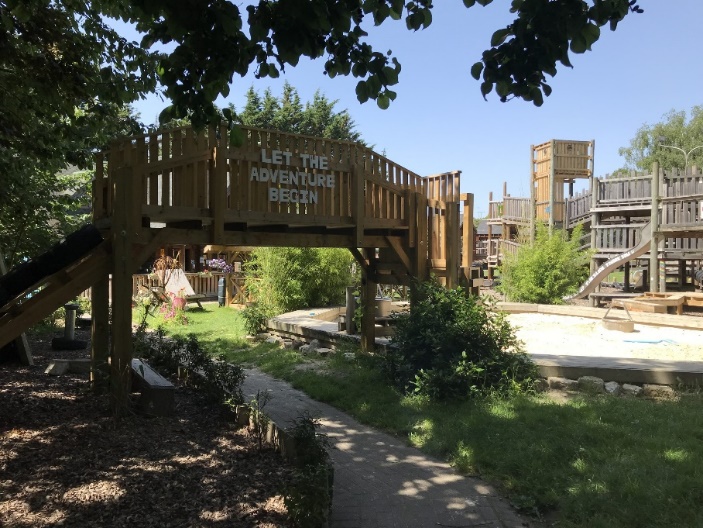
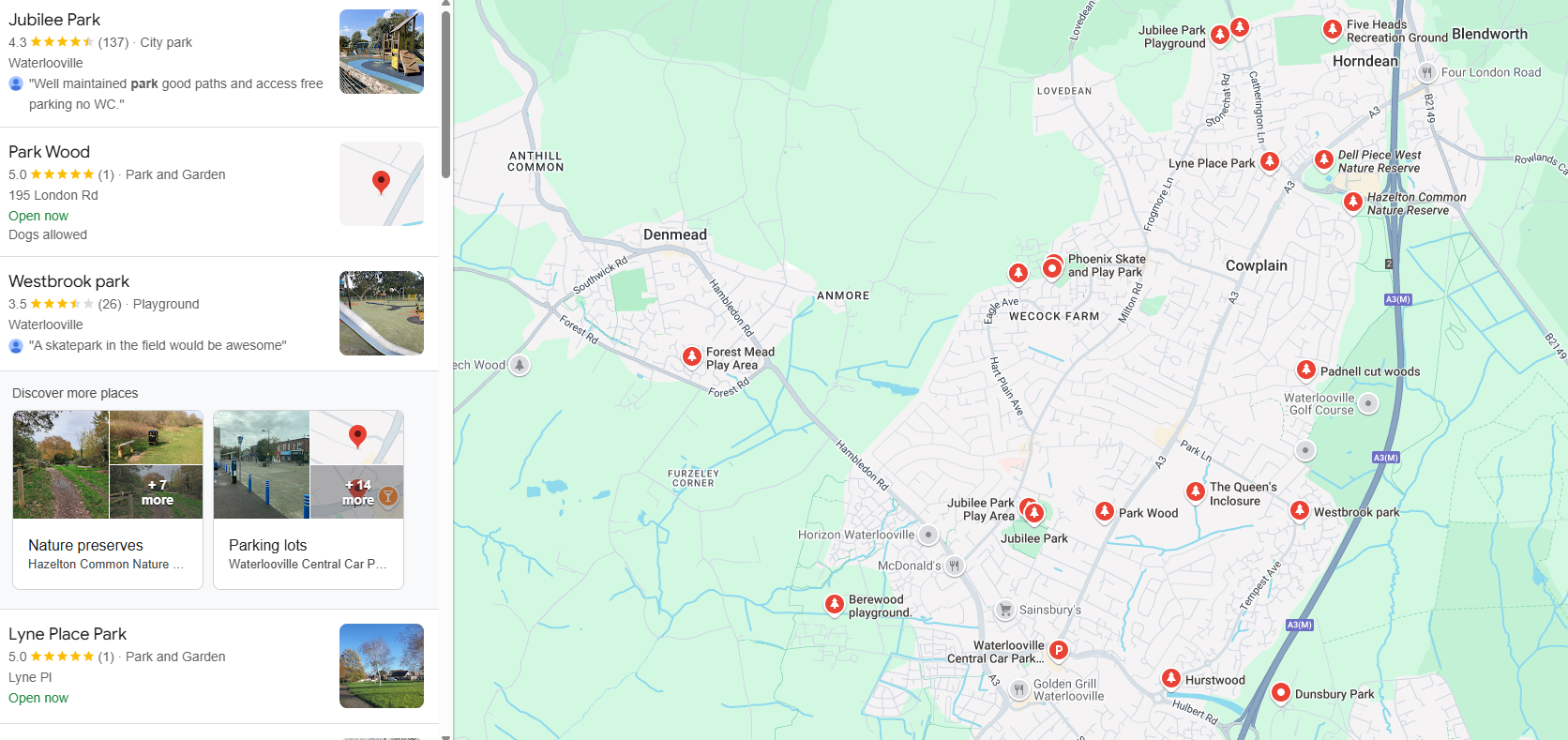
    Google Maps – Local Play Parks 


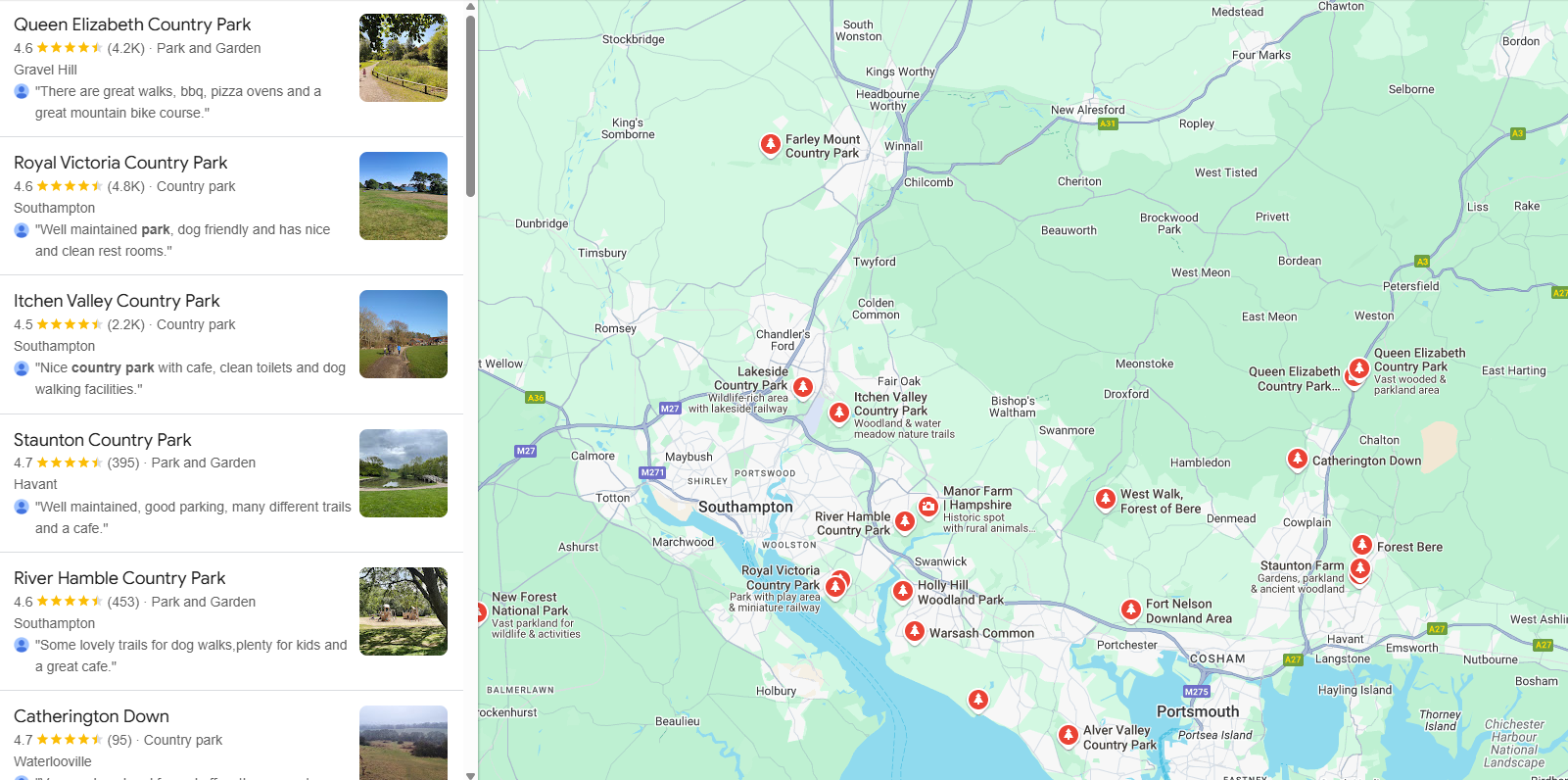
    Google Maps – Hampshire Country Parks


    SEND Information

    SEND Summer Activities and Sessions:

    Finkley Down Farm - SEND Early Bird Access

    https://www.finkleydownfarm.co.uk/event/send-early-bird-access/

    Various Family Activities and SEND Sessions: https://portsmouthlocaloffer.org/information/summer-fun-events-and-activities-for-families-in-portsmouth/ - Including Exploria, FlipOut and Charter swimming SEND sessions.

    Havant and Waterlooville Horizon Leisure Centre:

    SEND Soft Play – Thursday 16:00-17:00 £4.00 per child, including siblings. Parents and Carers go free. Music is turned off and we only allow 20 children attending to reduce noise and movement. Therefore, it is advisable to prebook.

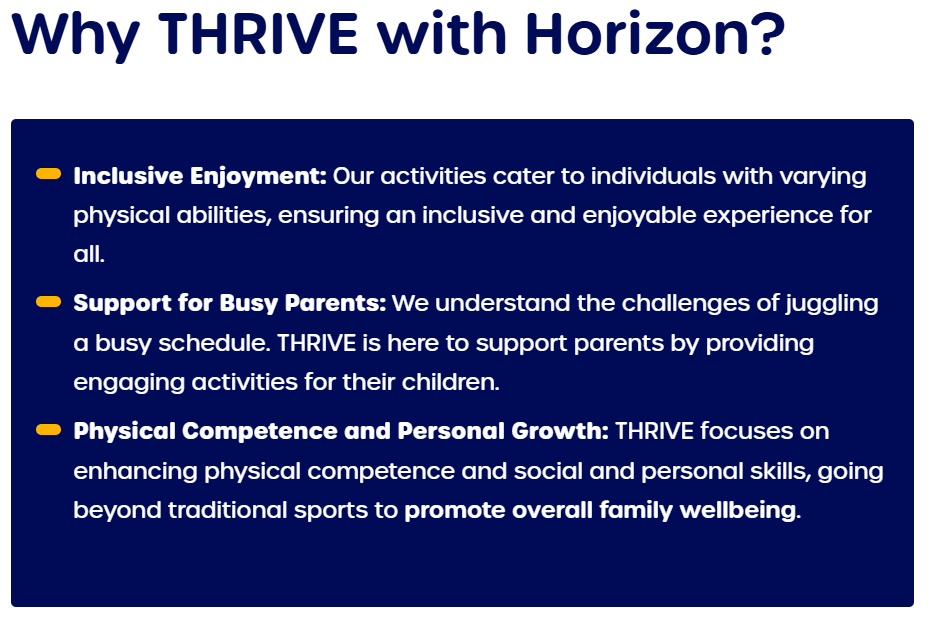
    Inclusive Sports Club Havant: Join Horizon Today

    Summer Thriving – Please see timetable attached in full document.

     Explore Additional Needs Activities at Horizon Today

    Gateway Card and Gateway Card+:

    https://www.hants.gov.uk/socialcareandhealth/childrenandfamilies/specialneeds/shortbreaks/gatewaycard

    Gateway Cards are free and give children access to community activities, play schemes and buddy schemes through the short breaks programme.

    Leisure and Activities for Children and Young People with SEND:

    https://fish.hants.gov.uk/kb5/hampshire/directory/advice.page?id=MOPm_33ijiM

    Short Breaks Activities:

    https://fish.hants.gov.uk/kb5/hampshire/directory/advice.page?id=wQ4VE5g_-lg

    Short breaks, enable children and young people with additional needs to participate in safe and fun activities, giving parents an opportunity for a short break from caring.

    Community Buddy Scheme:

    https://fish.hants.gov.uk/kb5/hampshire/directory/service.page?id=xCypGryvhNc

    Community buddies enable children and young people with a disability to access the community or support them to take part in activities or groups of their choosing within the local community.

    Read More
  • Planning ahead for the holidays

    Published 30/06/25

    As the academic year comes to a close, the summer holiday offers children a valuable opportunity to rest, recharge, and enjoy a break from their regular routines. However, without thoughtful planning, the weeks can quickly become unstructured and less productive. Taking the time to organise your child’s summer can lead to a more enriching and enjoyable experience for the entire family.

    Children benefit from a sense of routine, even during the holidays, and a balanced schedule that includes play, learning opportunities, and family time can support both their well-being and development. Planning ahead also creates opportunities to make meaningful memories - whether through travel, local outings, or simply time spent together. Most importantly, a clear plan reduces the stress of last-minute arrangements and allows both children and parents to approach the summer with a sense of calm and purpose.

    Please see below for some free downloadable resources.

    Read More
  • Let’s talk about Mental Health

    Published 20/05/25
    This month marked Mental Health Awareness Week (12th-18th May) - a powerful reminder of the importance of talking about mental well-being, especially for children. In today’s fast-paced, constantly changing world, kids face a variety of emotion
    Read More
  • When a book might help.

    Published 01/05/25
    When you are stuck for answers or finding discussing certain subjects with your children difficult, books can often help. All Hampshire Libraries run a scheme called ‘When a Book Might Help’. If you follow the link below, you will see
    Read More